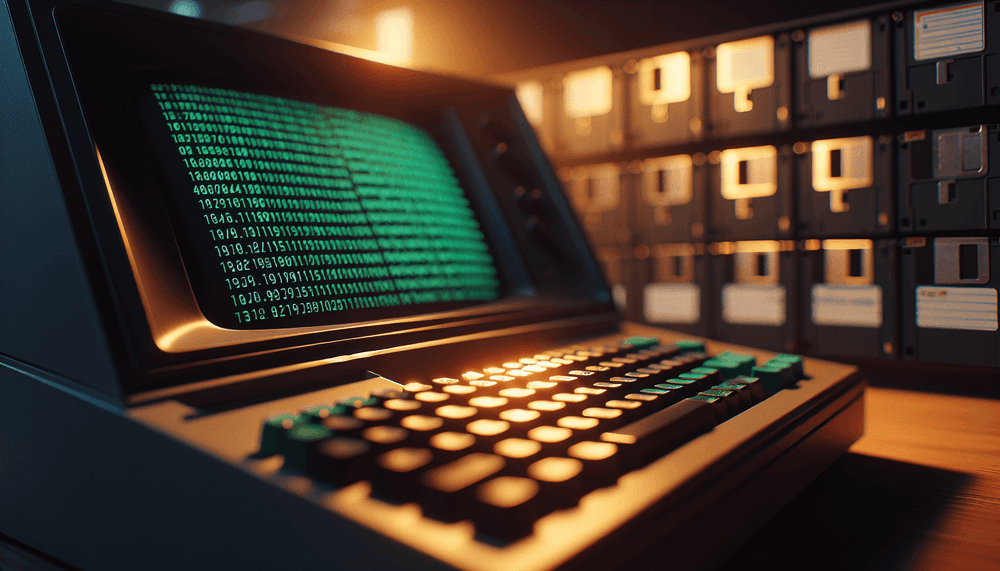
Microsoft Releases Historic 86-DOS 1.00 Source Code
Microsoft made computing history on April 29, 2026, by releasing the complete source code for the 86-DOS 1.00 kernel to the public. This represents one of the most significant open source releases in the company's 51-year history, providing unprecedented access to the foundational code that would eventually evolve into MS-DOS and shape the personal computer revolution.
The 86-DOS 1.00 kernel, originally developed by Seattle Computer Products in 1980, was acquired by Microsoft in 1981 for $75,000 and became the foundation for MS-DOS. The operating system powered IBM's first personal computer and established Microsoft's dominance in the PC operating system market for decades. The source code release includes the complete kernel implementation, device drivers, and system utilities that comprised the original 86-DOS distribution.
This release comes as part of Microsoft's broader initiative to preserve computing history and make foundational software accessible to researchers, historians, and developers. The company has been gradually opening access to historical code bases, following similar releases of early Windows source code and development tools. The timing coincides with the 45th anniversary of MS-DOS 1.0's commercial release, highlighting Microsoft's commitment to software archaeology and historical preservation.
The 86-DOS source code reveals the elegant simplicity of early operating system design, written entirely in 8086 assembly language with fewer than 10,000 lines of code. The kernel implements basic file system operations, memory management, and hardware abstraction layers that would become standard in all subsequent DOS versions. Industry experts note that this code represents a crucial missing piece in understanding the evolution of personal computer operating systems.
Microsoft's decision to open source this historical code reflects the company's transformation under CEO Satya Nadella's leadership, embracing open source principles while preserving computing heritage. The release was coordinated with the Computer History Museum and includes comprehensive documentation explaining the code's historical significance and technical architecture.
Impact on Developers and Computing Historians
The 86-DOS source code release primarily benefits computer science researchers, operating system developers, and computing historians who have long sought access to this foundational code. Universities teaching operating system design now have access to a complete, working example of early PC operating system architecture, providing students with insights into the constraints and design decisions that shaped modern computing.
Vintage computing enthusiasts and retrocomputing communities gain unprecedented access to authentic source code for restoration projects and emulation development. The release enables more accurate emulation of early IBM PC systems and provides reference material for developers working on DOS-compatible systems. Open source operating system projects can study the original implementation patterns that influenced decades of subsequent development.
Software preservation organizations and digital archivists benefit from having authoritative source code that can be used to verify and validate existing DOS installations and distributions. The release helps establish definitive versions of early DOS components and provides checksums and build instructions for creating bit-perfect reproductions of historical software.
Modern developers working on embedded systems or resource-constrained environments can study the efficient coding techniques and minimal resource usage patterns demonstrated in the 86-DOS kernel. The code showcases optimization strategies that remain relevant for IoT devices and microcontroller programming, where memory and processing power constraints mirror those of 1980s personal computers.
Accessing and Working with the 86-DOS Source Code
The complete 86-DOS 1.00 source code is now available through Microsoft's official GitHub repository under a custom historical preservation license that permits research, education, and non-commercial use. Developers can clone the repository using standard Git commands and access comprehensive build instructions for creating working DOS disk images using period-appropriate development tools.
The source code package includes original assembly language files, linker scripts, and device driver implementations organized in the same directory structure used by Seattle Computer Products in 1980. Microsoft has provided modern build tools and cross-assemblers that can compile the source code on contemporary systems, along with detailed documentation explaining the build process and dependencies.
Researchers can examine the code using modern development environments while maintaining compatibility with original 8086 assembly syntax and calling conventions. The release includes debugging symbols and commented source code that wasn't available in the original commercial distribution, providing insights into the developers' intentions and design rationale.
Educational institutions can integrate the source code into computer science curricula, with Microsoft providing teaching materials and laboratory exercises that demonstrate fundamental operating system concepts using real historical code. The company has also released virtual machine images pre-configured with appropriate development tools for students and researchers who want to experiment with the code without setting up period-appropriate development environments.
For those interested in building and running 86-DOS from source, Microsoft recommends using the provided Docker containers that include all necessary cross-compilation tools and can generate bootable disk images compatible with original IBM PC hardware or modern emulators like DOSBox and PCem.